
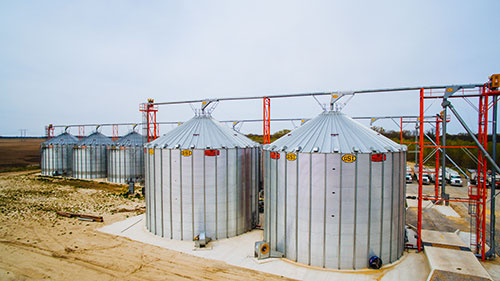
Winter storage brings a unique set of challenges — cold snaps, temperature swings, and the temptation to “set it and forget it.” Smart grain management now prevents headaches (and losses) in spring. Below are practical, field-tested tips to help you protect your crop, your equipment, and your bottom line.
- Inspect bins and seals before cold sets in
A quick, thorough inspection of each grain bin can save a ton of trouble later. Look for:
- Rust or holes in the roof, walls, and floor
- Loose bolts, warped panels, or damaged sheet metal
- Gaps around access doors, manholes, and around auger entries
Good seals and structurally sound bins keep moisture, rodents, and insects out — all essential to proper winter grain management.
- Measure and manage moisture carefully
Moisture is the number one enemy in storage. Grain that’s too wet can freeze into bridges, spoil, or foster mold as temps change. Best practices:
- Target safe storage moisture for the specific crop (corn, soybeans, wheat differ).
- Use a calibrated moisture meter — test multiple spots and depths.
- Dry grain before long-term storage when possible or move wetter loads to shorter-term bins.
- Monitor temperature regularly
Cold temps can look safe but hide problems. Thermal patterns are clues:
- Establish a baseline early in the storage season using temperature cables or spot checks.
- Watch for hot spots — even in winter — which can indicate wet spots, insect activity, or spoilage.
- Keep a log of temps and moisture readings for each bin.
Regular monitoring is a core part of grain management and will help you catch problems before they cost bushels.
- Use aeration proactively
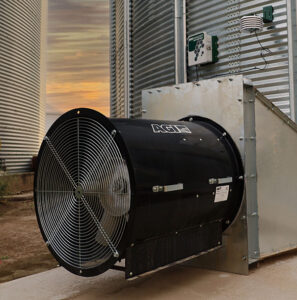
Aeration moves air to stabilize grain temperature and moisture. In winter:
- Run fans during warm daylight hours to equalize temperatures when outside air is drier than the grain.
- Avoid running aeration fans continuously in very cold conditions — this can draw moisture into the grain.
- Size and place fans properly for your grain bin and grain depth; improperly placed equipment can cause uneven aeration.
- Keep pests under control
Rodents and insects look for shelter as temperatures drop. To reduce infestations:
- Sanitize bins between crops — sweep, remove fines, and repair entry points.
- Consider pesticide treatments or approved fumigation only when necessary and always follow label instructions.
- Store grain at appropriate temperatures — many pests are less active below certain temperatures, but don’t rely on cold alone.
- Maintain grain equipment — don’t wait until spring
Augers, fans, dryers, scales, and conveyors all benefit from seasonal attention:
- Grease bearings, check belts, and inspect motors and guards.
- Replace worn belts or chains to avoid mid-winter breakdowns.
- Test backup systems (generators, spare fans) before you need them.
Proper upkeep of grain equipment reduces unplanned downtime and prevents small issues from becoming expensive repairs.
- Follow strict grain safety procedures
Grain safety saves lives. Never treat storage work as routine — even experienced hands can be at risk. Key safety reminders:
- Never enter a grain bin alone. Use a harness and lifeline and have a trained observer outside.
- Lock out and tag out moving equipment before maintenance.
- Avoid walking on stored grain — downward flow and collapse are real hazards.
- Train all employees and family members on emergency procedures.
Emphasize grain safety at every safety meeting — it’s as important as managing moisture or pests.
- Plan for loading and unloading
How grain is loaded and removed affects its condition:
- Avoid creating vertical holes or pockets where spoilage can start.
- Use spreaders or flow-enhancing equipment to maintain an even grain profile.
- Consider removing grain from the top slowly to avoid “rat-holing” and bridging.
Efficient handling protects quality and keeps grain flowing when you need it to.
- Keep records and set a check schedule
A simple log — date, bin ID, moisture, temperature, and actions taken — is invaluable. Schedule checks (weekly, biweekly, or more often depending on conditions) and stick to them. Records help you:
- Spot trends or recurring problems
- Document interventions and results
- Make better decisions at marketing time
Quick Winter Storage Checklist
- Inspect bin structure & seals ✅
- Measure moisture — dry if needed ✅
- Install/verify temperature sensors ✅
- Run aeration during safe windows ✅
- Sanitize and rodent-proof around bins ✅
- Service fans, augers, dryers & other grain equipment ✅
- Train staff on grain safety & emergency rescue ✅
- Keep a written log for each grain bin ✅
Winter storage doesn’t have to be risky. With regular monitoring, proactive aeration, well-maintained grain equipment, and a culture of grain safety, you’ll preserve quality and protect value until market time. Valley View Agri-Systems is here to help — whether you need parts, servicing, or advice on the right fans, sensors, or handling solutions for your operation. Reach out to schedule inspections or equipment maintenance before spring.