
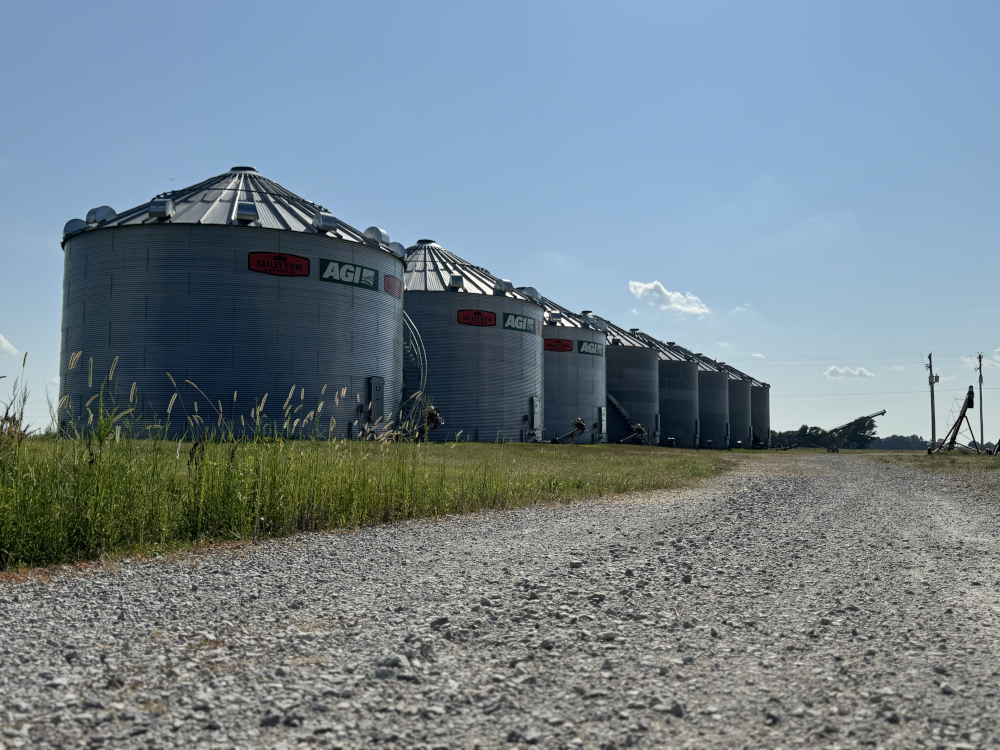
As spring settles in and temperatures begin to rise, grain storage requires a fresh look. What was stable during the colder months can quickly become vulnerable as warmer weather creates ideal conditions for moisture migration, condensation, spoilage, and insect activity. For growers and commercial operators alike, this is the time to check grain bins, review grain bin monitoring practices, and make sure stored grain is still protected for the weeks and months ahead.
Why warming temperatures matter
Stored grain is constantly responding to changes in its environment. When outside temperatures climb, the grain mass inside grain bins begins to warm unevenly. That temperature shift can create moisture movement within the bin, especially if grain was stored at higher moisture levels or without proper cooling. The result can be hot spots, crusting, mold growth, and quality losses that build quietly before they are noticed.
This is why spring is such an important transition period. Grain that was safe and stable in winter could need active management once the weather changes.
Start with a bin check
The first step is a thorough inspection of all grain bins. Look for signs of leakage, condensation, crusting, caked grain, insect activity, or unusual odors. Check roof vents, door seals, unload equipment, and the grain surface if it can be done safely. Even small issues can become bigger problems as temperatures rise.
It is also a good time to confirm that aeration fans, cables, probes, and other systems are functioning properly. If the grain is not being monitored and managed consistently, spoilage can develop before anyone realizes there is a problem.
Make grain bin monitoring a priority
Reliable grain bin monitoring helps detect trouble early. Temperature cables, remote alerts, and regular visual checks all play a role in protecting stored grain. Monitoring is especially valuable during seasonal transitions, when conditions in the bin can change rapidly.
Pay close attention to any temperature increases, moisture buildup, or uneven readings. A hot spot in one area of the bin may point to spoilage, insect activity, or airflow issues. The sooner these changes are identified, the easier they are to address.
Use aeration and airflow wisely 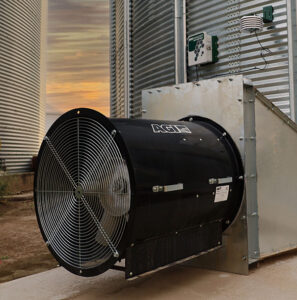
Aeration remains one of the most effective tools for managing stored grain as weather warms up. In many cases, the goal is to keep grain cool and uniform for as long as possible. Once outdoor conditions become warmer than the grain itself, operators often need to stop cooling and avoid introducing additional heat or moisture into the bin.
If grain needs to be dried or conditioned after harvest, in-bin drying systems can help bring moisture levels down gradually while keeping grain in storage. When used correctly, these systems can reduce spoilage risk and improve overall grain quality. The key is to manage airflow carefully and match the system to the crop conditions, bin size, and storage goals.
Grain conditioning helps preserve quality
Grain conditioning is another important part of spring storage management. This process helps maintain grain in a stable condition by balancing temperature and moisture throughout the bin. In some cases, conditioning can also help reduce stress on the grain mass and minimize the risk of localized spoilage.
Whether grain is being held for feed, sale, or later processing, conditioning can play a major role in preserving value. The better the grain is managed during temperature swings, the more likely it is to stay marketable and usable.
Don’t wait until problems show up
The biggest storage losses often begin with small, unnoticed changes. As temperatures warm up, grain can deteriorate quickly if bins are not checked regularly and equipment is not working as intended. A proactive approach to stored grain management can save time, protect quality, and reduce financial loss.
That means watching grain bins closely, keeping grain bin monitoring systems up to date, and using in-bin drying systems and grain conditioning practices where appropriate. The goal is simple: keep grain in good condition until it is ready to move.
Protect your investment this season
Warm weather is a reminder that stored grain is never truly static—it needs attention, especially during seasonal changes. By staying ahead of moisture, heat, and airflow issues, operators can protect grain quality and reduce the risk of spoilage.
If you’re looking to improve your stored grain strategy this season, contact Valley View Agri-Systems. The VVA team can help you evaluate your current setup and provide tailored solutions—from grain bins and grain bin monitoring to in-bin drying systems and grain conditioning—so you can protect your investment and maintain grain quality with confidence.