
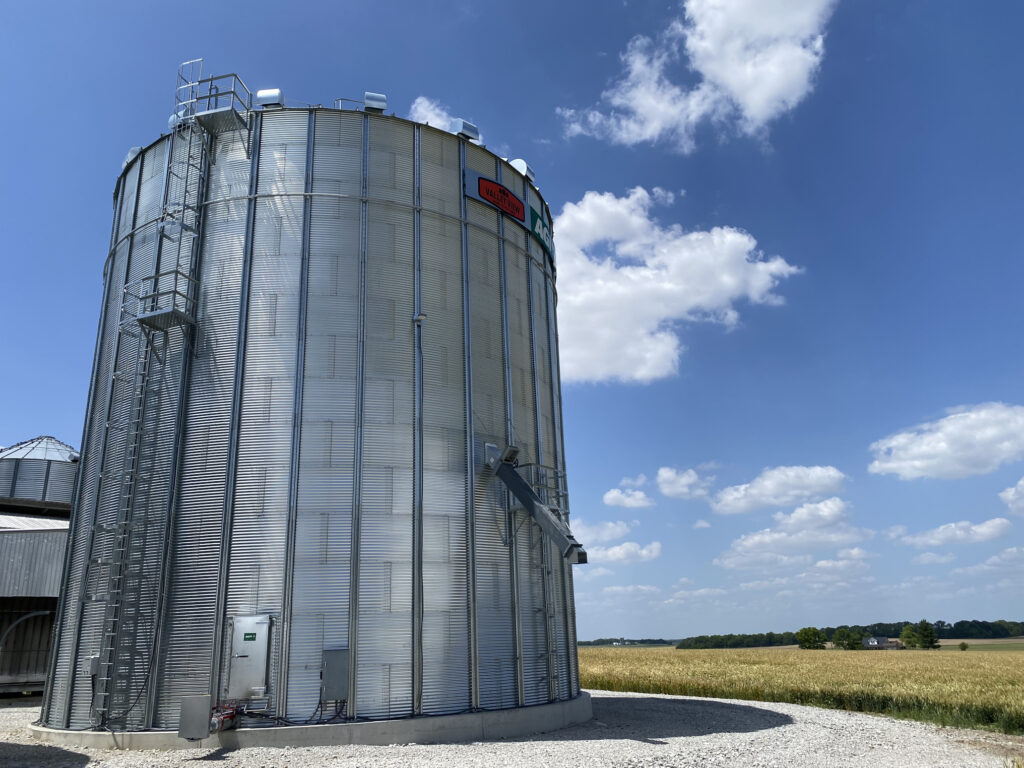
At Valley View Agri-Systems we talk to producers every week who say the same thing: running a reliable grain system is simple in theory, but in practice it eats up time. Between checks, paperwork, troubleshooting and moving grain, a lot of the day is taken up by repetitive, time-sensitive tasks that don’t scale well when volumes or weather change. We’ll break down what’s really taking your time, and how sensible automation — from grain monitoring equipment to smarter grain handling system design — frees you up for the work that matters.
What eats the most time in day-to-day grain operations?
Here are the usual suspects we see on farm and commercial sites:
- Continuous monitoring and inspections. Checking temperatures, moisture, fan operations, and visual inspections of bins and conveyors multiple times a day. This is the most persistent time-sink because conditions can change quickly.
- Responding to alerts after the fact. By the time you discover a hot spot or wet load it’s often already a problem that needs immediate manual response.
- Material handling and scheduling. Loading, unloading, sequencing trucks, running augers and conveyor lines, and coordinating crews.
- Recordkeeping and inventory tracking. Knowing what’s in which bin, lot numbers, inbound/outbound weights and drying history — this is essential but repetitive.
- Maintenance and troubleshooting. Bearings, belts, sensors, and aeration fans require regular attention; unplanned downtime costs time and money.
- Pest and quality interventions. Physical inspections, aeration cycles, and fumigation prep when spoilage risk rises.
Put simply: you spend most of your time watching, moving, and reacting. That’s where automation can change everything.
How automation saves time — and delivers more than just convenience
Switching to automated systems doesn’t just reduce hourly inspections — it changes the way you manage risk, labor, and quality. Here’s how:
Faster decision-making (without the drive-around)
With integrated grain monitoring equipment (temperature and moisture sensors, load cells, remote displays and apps) you get real-time visibility into bin conditions and inventory. That means you act before a small problem becomes a pile of spoiled grain.
Reduce repetitive manual work
Automated aeration control, conveyor sequencing, and remotely scheduled unloads let you cut down the number of physical interventions your team must make each day.
Improved safety
Fewer people climbing ladders, entering confined spaces, or working around moving equipment lowers injury risk — automation handles the hazardous checks remotely.
Lower spoilage and shrink
Early detection of hot spots, moisture changes, or insect activity reduces the amount of grain lost to quality problems. That directly preserves margins.
Better labor allocation
When systems handle routine tasks, your staff can focus on higher-value work: planning loads, preventive maintenance, customer service, or scaling the business.
More accurate records and traceability
Automated logging from sensors and control systems simplifies compliance and makes audits and lot traceability painless.
What to automate first: practical priorities for busy operators 
If you’re wondering where to start, we recommend a pragmatic, phased approach tied to the biggest time-sinks:
- Grain monitoring first. Install reliable temperature and moisture sensors and centralize that data. Good grain monitoring equipment is the “eyes and ears” of an automated grain system.
- Automate aeration and alarms. Automated aeration control and configurable alerts stop problems quickly and reduce routine checks.
- Streamline material flow. Upgrade conveyors, drives and controls to handle sequencing, metering and weighing automatically as part of your grain handling system design.
- Integrate inventory and data. Link load cells and bin sensors into a dashboard for real-time grain storage inventories and historical records.
- Phase in safety and maintenance automation. Predictive alerts, scheduled lubrication/inspections, and remote diagnostics reduce unscheduled downtime.
Advantages beyond saving time — the full picture
- Scalability: Automation makes it easier to handle larger harvests or multiple sites without linear staffing increases.
- Energy efficiency: Automated aeration and drying runs only when needed, lowering fuel and power use.
- Consistency & quality: Repeatable, data-driven control keeps grain at target moisture and temperature.
- Customer confidence: Accurate lots, weights and quality records improve relationships with buyers and processors.
- ROI potential: Time savings, reduced shrink, and fewer emergency repairs typically pay back the investment faster than most expect.
How we help
At Valley View Agri-Systems we design whole-farm and commercial solutions that blend practical grain handling system design with durable grain monitoring equipment and smart grain storage controls. We focus on systems that are easy to use, simple to maintain, and flexible enough to grow with your operation.
If you’re tired of spending your day reacting, we can help you:
- Audit your current grain system and highlight the biggest time drains,
- Recommend targeted automation upgrades with clear priorities and costs,
- Implement integrated solutions (sensors, PLC/controls, dashboards),
- Train your team so the technology truly saves time — not creates more work.
Ready to reclaim your day?
If you’d like a free site assessment or a quote for automating part of your grain operation, contact Valley View Agri-Systems. We’ll walk your site with an eye toward the real metric that matters: your time.