
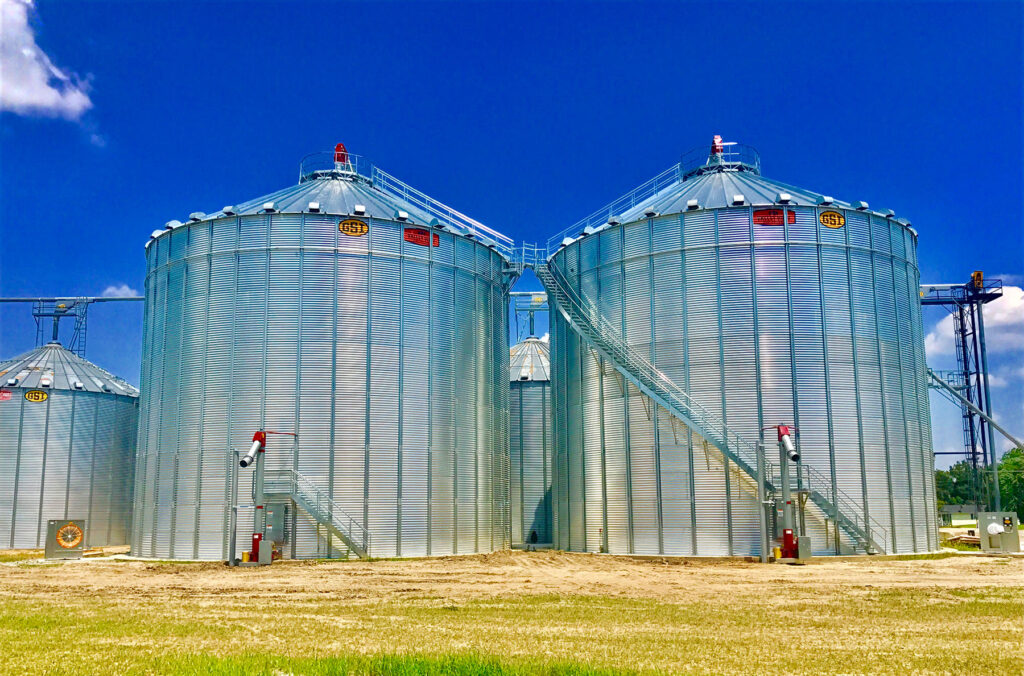
Automation in grain handling isn’t just a nice-to-have — it’s a way to make operations safer, more reliable, and more profitable. At Valley View Agri-Systems we help farms and commercial facilities modernize their grain systems so they run smarter with less hands-on time. Below is a clear, practical look at what “automation readiness” really means and how to prepare your equipment, people, and processes.
Why automation?
Automating repetitive tasks like temperature monitoring, aeration control, and load/unload sequencing reduces human error, improves throughput, and enhances grain safety. The right automation also lets you monitor multiple bins and conveyors from a single dashboard, saving time and giving early warnings before small problems become big ones.
Core areas to evaluate before automating
- Grain equipment condition
Automation works best on well-maintained equipment. Inspect augers, conveyors, fans, and motors for wear, lubrication needs, and alignment. If your grain equipment has recurring breakdowns, fix those first — automation will only amplify underlying problems if they’re not addressed. - Grain bin sensors and placement
Accurate, reliable sensors are the backbone of automation. Check that temperature probes, level sensors, and humidity/CO₂ monitors are in good condition and placed where readings represent the whole bin, not just one spot. Redundancy for critical sensors is a smart investment. - Electrical and network readiness
Automation requires stable power and dependable communications. Confirm you have appropriately sized circuits, surge protection, and either wired Ethernet or robust wireless links. Consider backup power options for critical controls. - Control hardware and software compatibility
Decide whether you’ll integrate with an existing PLC, retrofit discrete controllers, or install a new control system. Look for systems that are open and scalable so you can add more bins or features over time without redoing everything. - Grain safety and procedures
Automation must never replace safe work practices. Make sure lockout/tagout procedures, confined-space entry protocols, and emergency stop controls are documented, visible, and integrated into any automated sequences. - Training and support
Even the best system needs trained operators. Plan for initial training, refreshers, and a support contract so your team can diagnose issues quickly and keep operations moving.
Quick readiness checklist (high level)
- Are critical components of your grain equipment inspected and serviced?
- Do you have accurate and vetted grain bin sensors in place?
- Is your electrical supply stable and properly sized?
- Does a reliable communications network exist between bins and the control center?
- Are emergency stops, lockout/tagout, and confined-space procedures current and practiced?
- Do operators have or will they receive automation training?
Download our Grain System Automation Readiness Checklist to walk through these items step-by-step and mark your progress.
Grain safety: the non-negotiable element
Automation can significantly improve grain safety — for example, by automatically shutting down fans if temperatures spike or by stopping conveyors when level sensors detect blockages. However, automation is an aid, not a substitute, for safety protocols. Make sure your automated sequences include fail-safes, alarms (audible and visual), and clear operator override options. Always test safety interlocks after installation and document test results.
The Valley View Agri-Systems approach
We start with a site assessment that checks current grain equipment, sensor coverage, electrical and network infrastructure, and safety practices. From there we recommend practical, phased automation solutions so you can begin reaping benefits quickly while budgeting upgrades over time. We prioritize systems that are modular and serviceable, minimizing downtime and long-term maintenance headaches.
Next steps
- Perform a basic walk through using the checklist.
- Schedule a site assessment with Valley View Agri-Systems — we’ll inventory equipment, review sensors, and map out a prioritized plan.
- Begin with high-impact automation (temperature monitoring, aeration control, and level alarms) and expand as confidence and ROI grow.
Automation can transform how you manage grain — safer, smarter, and more efficient. If you want help converting your readiness checklist into an actionable plan, contact Valley View Agri-Systems and we’ll set up an assessment tailored to your bins, conveyors, and objectives.