
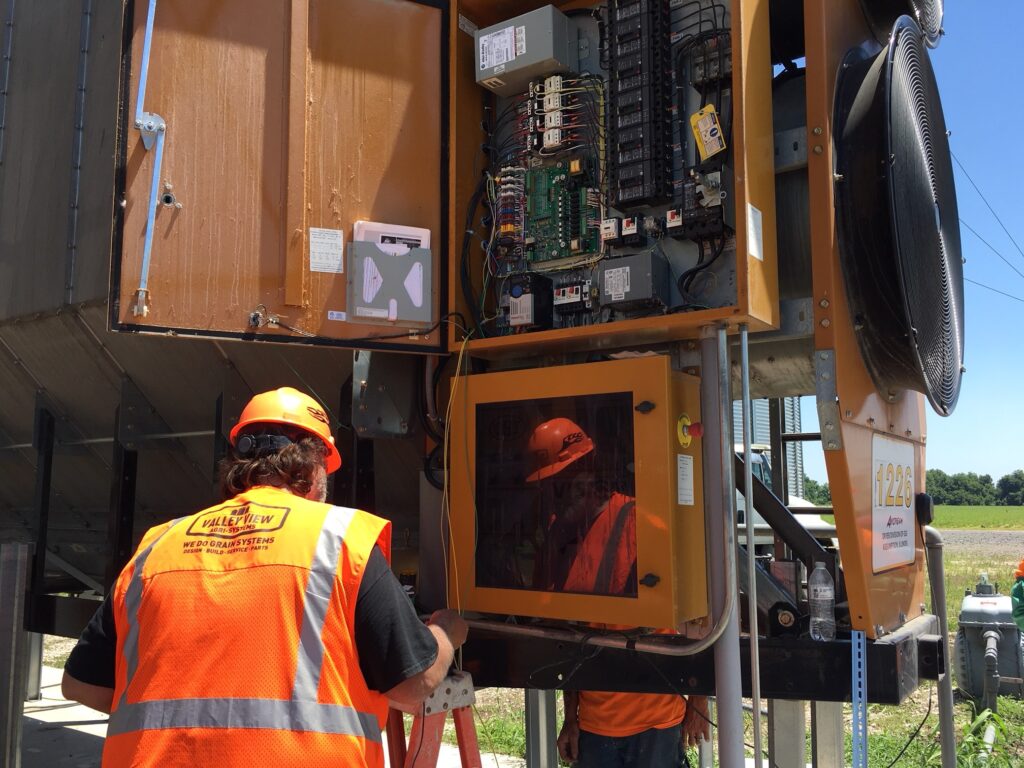
Healthy grain in the bin starts with reliable equipment. Whether you’re running aeration fans, moisture probes, a portable grain dryer, or the rest of your seasonal grain equipment, smart maintenance keeps downtime low and crop quality high. Check out this practical, field-ready guide to routine care, quick diagnostics, and seasonal checklists you can use today.
Why maintenance matters
Regular maintenance reduces the risk of spoilage, improves fuel and power efficiency, extends equipment life, and keeps operators safe. For grain conditioning systems — which control airflow, temperature, and moisture — small failures can quickly cascade into large losses. Treat maintenance as insurance: a little time now prevents big headaches at harvest.
Quick daily / pre-shift checklist
(Perfect for operators running a portable grain dryer or static conditioning systems)
- Visual walkaround: look for leaks, loose panels, or unusual wear on augers and conveyors.
- Check gauges and displays: temperature, airflow, and fuel/air indicators.
- Confirm moisture probe readings look reasonable for the crop.
- Listen for abnormal noises from fans, bearings, or the dryer blower.
- Empty catch pans/strainers and remove blockages from air inlets.
A five-minute check every shift catches many problems before they escalate.
Weekly & monthly tasks
- Inspect and tighten electrical connections; look for frayed wires or burned terminals.
- Grease bearings, pivot points, and chains as recommended by the equipment manual.
- Check belt and chain tension and alignment; replace if cracked or glazed.
- Clean or replace air filters and fuel filters on portable grain dryer units.
- Remove dust buildup around motors and controls — dust increases heat and fire risk.
- Calibrate moisture probes and inspect probe wiring for corrosion.
Record each task in a simple log — date, item checked, action taken — so patterns are visible over time.
Pre-season (before harvest) — do this once
- Full system test run: warm up the portable grain dryer and run fans, conveyors, and controls through a full cycle.
- Inspect heat exchangers, burners, and exhaust systems for soot, corrosion, or cracks (only qualified techs should service combustion components).
- Replace worn elevator buckets, auger flighting, and worn gearbox oil.
- Update software/firmware on any controller displays and back up settings.
- Verify safety devices: emergency stops, flame sensors, high-temperature cutouts.
- Stock a simple spare-parts bag (see list below).
A thorough pre-season tune-up prevents last-minute breakdowns when demand is highest.
Post-season (after harvest) — store it right
- Clean grain residue from all equipment and dry thoroughly to prevent mold and corrosion.
- Drain and treat fuel systems if required by the manufacturer.
- Lubricate and protect exposed metal with appropriate greases or light oil.
- Remove moisture probes and store them in a dry, labeled box; keep probe tips capped.
- Cover or store the portable grain dryer under shelter if possible.
- Update your maintenance log and schedule any repairs for the off-season.
Portable grain dryer — specific tips 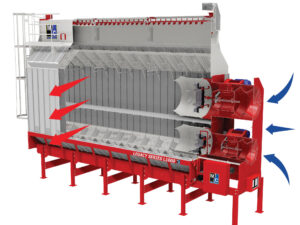
- Always follow the manufacturer’s manual for burner and combustion safety.
- Keep fuel and combustion air intakes clear of debris; blocked airflow reduces efficiency and can create unsafe combustion conditions.
- Inspect the dryer drum and seals for wear — leaks mean lost heat and uneven drying.
- Check the exhaust path and flue for obstructions and corrosion.
- Monitor fuel consumption as a health indicator: sudden changes often signal a tune-up is needed.
- Test the dryer with a small load before putting it to full use each season.
Common symptoms & what they often mean
- Reduced airflow / higher drying temps: clogged filters, fan blade fouling, or motor issues.
- Erratic moisture readings: dirty probes, loose wiring, or calibration drift.
- Unusual vibrations: misaligned pulleys, failing bearings, or bent shafts.
- Increased fuel use: burner inefficiency, leaks, or poor heat transfer in the dryer.
- Frequent tripping of electrical breakers: motor overloads, shorted windings, or stuck bearings.
When in doubt, isolate the symptom, tag the equipment, and don’t run it until a root-cause check is completed.
Spare parts & tools to keep on hand
A small kit saves long drives and lost drying hours:
- V-belts and spare chain links
- Bearings and grease fittings
- Fuses, relays, standard electrical connectors
- Moisture probe spare tips and probe-cleaning tools
- Fuel and air filters for your portable grain dryer
- Emergency shut-off lockout and basic electrical test tools
- Replacement auger or elevator buckets (or means to repair)
Label parts by machine and keep a contact list for rapid ordering.
Safety & documentation
- Always lockout/tagout before servicing powered equipment.
- Keep fire extinguishers near dryers and in service trucks.
- Train staff on basic troubleshooting and safe handling of combustion systems.
- Keep digital or paper maintenance logs — they’re invaluable for warranty claims, service history, and resale value.
Good documentation turns one-off fixes into long-term performance improvements.
Final checklist — the essentials at a glance
- Daily visual & gauge checks ✔
- Weekly greasing, filters, belts ✔
- Pre-season full test and burner inspection ✔
- Post-season cleaning and protection ✔
- Spare-parts kit and maintenance log ✔
Reach out to Valley View Agri-Systems for parts or service — we’re here to help!