
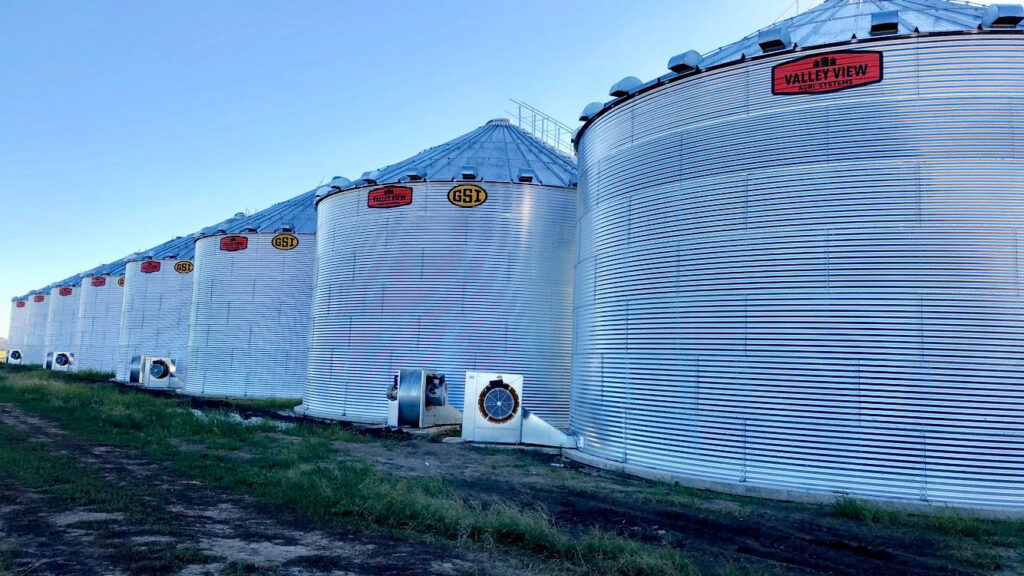
Getting your grain conditioning system ship-shape before harvest isn’t just good practice — it protects crop quality, reduces downtime, and saves money. At Valley View Agri-Systems we see firsthand how a few routine checks and a little preventive service can keep your portable grain dryer and other equipment running all season long. Below is a practical, field-tested pre-harvest maintenance guide you can use today.
Why pre-harvest maintenance matters
Grain conditioning systems — from fans and ducts to controls and dryers — work hard during harvest. A small fault (worn bearing, low oil level, a cracked belt) can quickly cascade into a costly outage, damaged grain, or an unsafe situation. Regular Maintenance up front keeps your system efficient and reliable when it matters most.
Quick pre-harvest checklist (start here)
- Grease and oil motors & gearboxes — Check lubrication points on motors, gearboxes, and drive assemblies. Top up oil levels where applicable and apply grease to bearings and grease fittings according to manufacturer intervals.
- Check belts — Inspect all belts for fraying, glazing, or uneven wear. Check tension and alignment; replace any belt showing significant wear.
- Inspect bearings — Spin rollers and shafts by hand (when safe) to feel for roughness or binding. Listen for unusual noises when running — warm, noisy bearings usually need replacement.
- Floors and foundations — Ensure equipment bases, platforms, and flooring are level, secure, and free of grain or debris that could hide hazards or cause misalignment. Look for corrosion or rot under stands.
- Portable grain dryer specific checks — Clean heat exchangers, check combustion components, inspect the fuel system and filters, verify exhaust clearances, and test burner operation and flame safety systems.
- Fans and blowers — Inspect blades for buildup or damage, verify clearances and supports, and confirm balanced operation at startup.
- Electrical & controls — Tighten terminal lugs, inspect wiring and connectors for heat discoloration, test safety interlocks, and verify control calibration (moisture sensors, timers, thermostats).
- Augers and conveyors — Check flighting, bearings, and housings for wear. Confirm proper alignment and guard placement.
- Filters & screens — Replace or clean air, fuel, and intake filters before heavy use. Clean screens that protect grain inlets and vents.
- Calibration & instrumentation — Calibrate moisture meters, temperature probes, and control setpoints so your Grain conditioning system treats grain to spec.
- Safety equipment — Verify fire suppression systems, throwable extinguishers, emergency stops, and lockout/tagout procedures. Replace expired PPE and signage.
Step-by-step suggested workflow
- Visual walkaround — Start with a full visual inspection to identify obvious damage, leaks, or missing guards.
- Lubrication & replacement parts — Grease and oil per manufacturer recommendations; replace belts, bearings, and filters found to be marginal. Keep a parts list and spares on hand for quick fixes.
- Mechanical run test — With proper safety lockouts removed and guards in place, run motors, fans, and augers to listen for unusual vibration or sound. Address issues immediately.
- Electrical & controls check — After mechanical tests, power up controls and confirm sensors and safety devices function. Record calibration values.
- Dry run with grain — If possible, run a small batch to ensure the Portable grain dryer and associated conditioning stages operate together without bottlenecks. Monitor moisture and airflow.
- Document & schedule — Log completed Service tasks and create a simple maintenance calendar (daily checks during harvest, weekly lubrication, monthly deeper inspections).
Troubleshooting tips (fast fixes)
- Squealing fan or motor: Check belt tension and alignment; if belt is good, inspect bearings.
- Uneven drying: Verify airflow paths and clean heat exchanger and screens; recalibrate moisture sensors.
- Motor overheating: Confirm proper oil/grease levels, ventilation, and that the motor isn’t being overloaded by a jammed auger or misaligned drive.
Safety & best practices
- Always follow lockout/tagout when servicing powered equipment.
- Use the correct grease/oil grade recommended by the equipment OEM. Wrong lubricants cause failures.
- Keep a small tool and spare parts kit (belts, bearings, filters, fuses) near the dryer during harvest to minimize downtime.
- Train operators on basic checks and when to call in professional Service.
Make Service part of your harvest plan 
A short investment in pre-harvest Maintenance pays off quickly with fewer emergencies and better grain quality. If you’d like a tailored pre-harvest Service checklist for your equipment or need help with calibration, replacement parts, or on-site inspection of your Portable grain dryer, Valley View Agri-Systems is here to help. Contact your local Valley View Agri-Systems Service team and get harvest-ready today.