

Dirty grain might look like “no big deal” at the elevator or on the farm, but when it goes into storage it can cost you yield, ruin grain quality, damage equipment, and create very real safety hazards. At Valley View Agri-Systems we see the consequences every season — and we also know the simple steps that prevent them. Here’s a clear, practical guide to why pre-storage cleaning matters and what to do about it.
The problems dirty grain creates in storage
- Faster spoilage and reduced quality: Dockage (chaff, weed seeds, broken kernels, dirt) holds moisture and creates hot spots when grain is stored in grain bins. That leads to accelerated spoilage, mold growth, and the possible development of mycotoxins — all of which cut value and may force you to reject loads at sale time.
- Increased insect and pest pressure: Foreign material provides hiding places and food for insects and rodents. Once pests are established, they’re much harder to control and can spread through an entire grain system quickly.
- Uneven airflow and moisture migration: Trash and fine material clog air channels and change airflow patterns inside bins. That impairs aeration and grain conditioning efforts and can create moisture migration that causes clumping, crusting, and localized heating.
- Compromised downstream handling: Dirty grain is more likely to bridge, rat-hole, or form crusts inside bins and hoppers. These issues interrupt flow to augers, conveyors, and elevators and force extra handling — with lost time and extra labor.
How dirty grain damages grain handling equipment
Abrasion and wear: Sand and small stones act like sandpaper inside augers, elevators, and conveyors, wearing flighting, bearings, and seals faster than clean grain would.
Blockages and jams: Debris, oversized stalks, or clods can clog intake points, bucket elevator boots, and screens — leading to unplanned stops and sometimes costly repairs.
Foreign object damage: Metal, hard wood, or large rocks can damage paddles, cut belts, and bend or break components. Even a single lodged object can ruin an auger or bucket chain.
Reduced efficiency: Build-up on sensors, screens, and gates leads to misreads and improper operation of automated grain systems — increasing maintenance time and operational costs.
Regular pre-cleaning and inspection significantly extend the life of your grain handling equipment and reduce downtime.
Safety risks from dirty grain and poor housekeeping
Respiratory hazards: Dust, mold spores, and mycotoxins from unclean grain create respiratory risks for workers. Proper pre-cleaning and dust control reduce airborne contaminants.
Grain entrapment and engulfment: Bridging and crusting increase the likelihood of grain collapse when someone enters a bin for maintenance or unblocking — an extremely dangerous situation.
Fire and explosion risk: Fine dust and poor housekeeping around conveyors, dryers, and bucket elevators create combustible dust hazards. Removing fines and using dust collection reduces explosion risk.
Mechanical hazards: Foreign material that causes sudden jams or failures can create pinch points or flying debris that endanger workers.
Safe operations include lockout/tagout, using harnesses and lifelines for bin entry, and keeping grain clean so dangerous situations are less likely to form.
What “cleaning grain” looks like (practical steps) 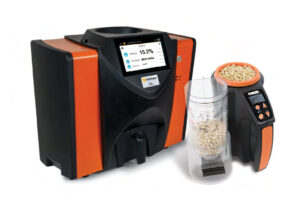
- Pre-clean before you store — use scalpers, screens, or pre-cleaners to remove dockage (straw, chaff, weed seeds, stones) at intake.
- Aspirate and screen — aspirators remove light trash; screening separates fines and broken kernels that hold moisture.
- Magnetic separators — remove metal debris that can damage equipment.
- Moisture testing + drying — test moisture across loads and dry as needed before storage. Grain conditioning (temperature and moisture management) should begin as soon as grain is stored.
- Proper conditioning & aeration — maintain even temperatures and use controlled aeration cycles to limit moisture migration and fungal growth. (This is where grain conditioning becomes a front-line defense.)
- Routine monitoring and housekeeping — regularly check temps, probe for hot spots, remove fines from legs and boots, and keep the surrounding facility clean to reduce dust and pest attractants.
- Inspect and maintain equipment — clean screens, replace worn flighting, check bearings, and keep sensors free of build-up to prevent malfunctions.
Quick checklist (before grain goes into bins)
- Test moisture on every lot.
- Run grain through a pre-cleaner / screen.
- Remove metal with magnets.
- Dry to safe storage moisture if needed.
- Start controlled aeration and grain conditioning immediately.
- Document load origin and condition for traceability.
Clean grain stores better, moves easier, reduces repairs, and keeps people safer. Investing a little time and the right pre-cleaning steps up front saves money and headaches later — and it protects the life of your grain handling equipment and storage infrastructure. If you’d like help reviewing your intake process, selecting pre-cleaning gear, or improving your grain conditioning plan, Valley View Agri-Systems can help design or retrofit a solution that fits your operation. Contact Valley View Agri-Systems and let’s make sure your grain bins, grain system, and grain handling equipment are set up to protect your crop.